

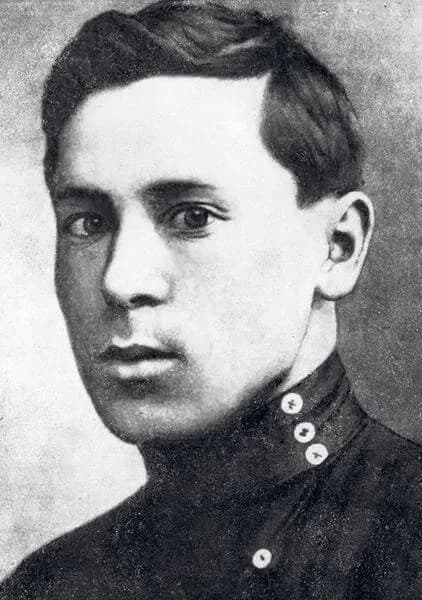
The outstanding Tatar Soviet poet Musa Mustafovich Dzhalilov was born on 2 (15) February 1906 in the village of Mustafino (now Orenburg Oblast) into a poor peasant family.
He studied in Orenburg at the Husainiya Madrasa. From an early age, Musa showed an interest in literature. His youth coincided with the harsh period of the Civil War. As a teenager, he served among the soldiers of the Red Army. He made his first appearance in print in 1919 in the newspaper Kyzyl Yuldyz ('Red Star'), the official organ of the Political Directorate of the Turkestan Front. He was only thirteen at the time.
At the age of nineteen, his first collection of poems and verse narratives, We Go Forth (Barabyz), was published, which was largely composed of works on the revolutionary movement. Jalil’s early works were also devoted to Komsomol themes (the cycle Paths Trodden, 1924–1928) and the labour exploits of the Soviet man (the poem The Shock-Worker Partisan, 1930).
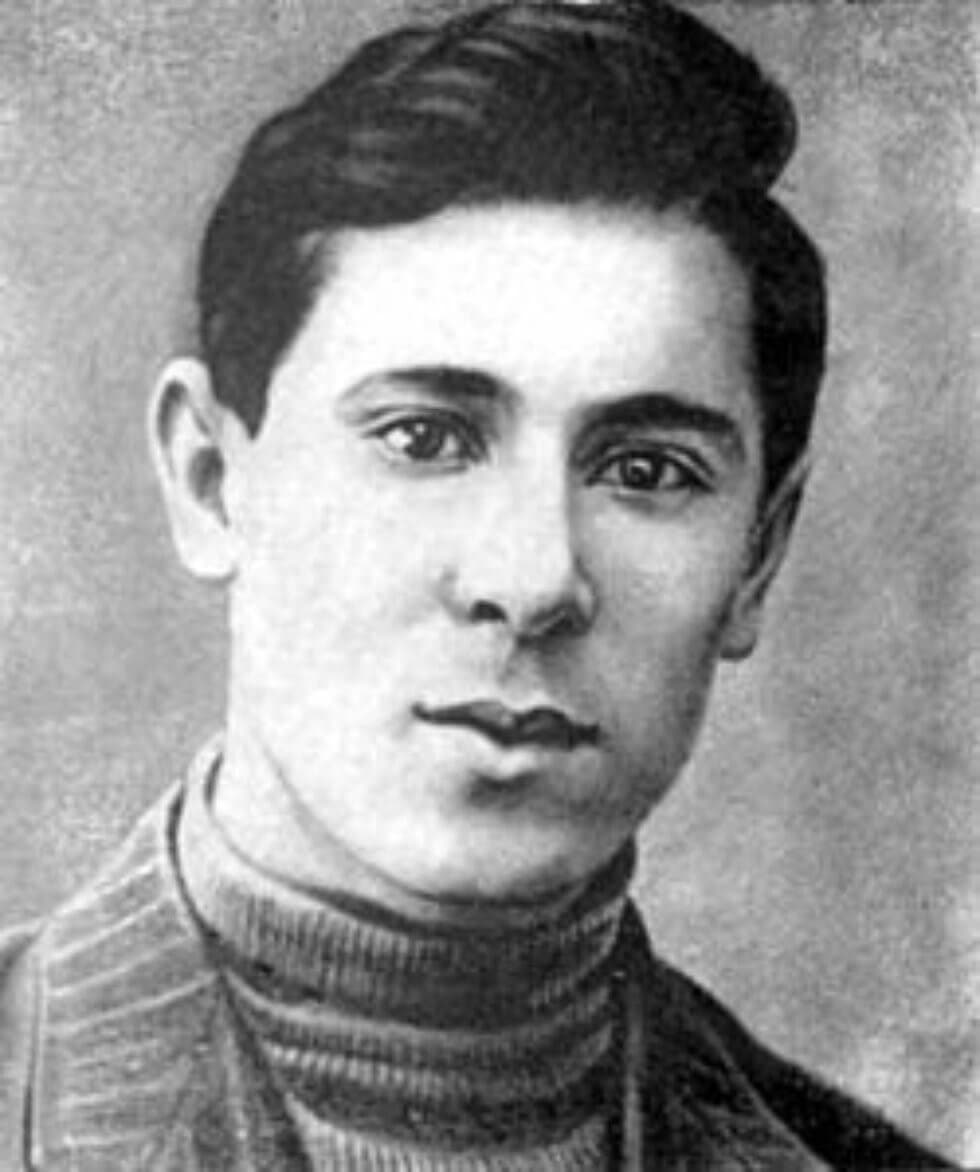
Musa Jalil. Photograph from open sources.
At the age of 21, Musa Dzhalilov entered Moscow State University, in the Literary Department of the Faculty of Ethnology. It was also here that he joined the All-Union Communist Party (Bolsheviks). His neighbour in the halls of residence was the poet Varlam Shalamov, who recalled the deep affection Musa Jalil inspired in those around him as he read his poetry in Tatar.
During this period, he worked as an editor for the Tatar children's magazines Kechkene ipteshler ('Young Comrades') and Oktyabr balası ('Child of October'), which were published under the auspices of the Central Committee of the Komsomol in Moscow.
From the late 1930s, Jalil lived and worked in Kazan at the Tatar State Opera Theatre, where he was in charge of the repertoire department. In 1939–1941, he held the post of executive secretary of the Union of Writers of the Tatar ASSR.
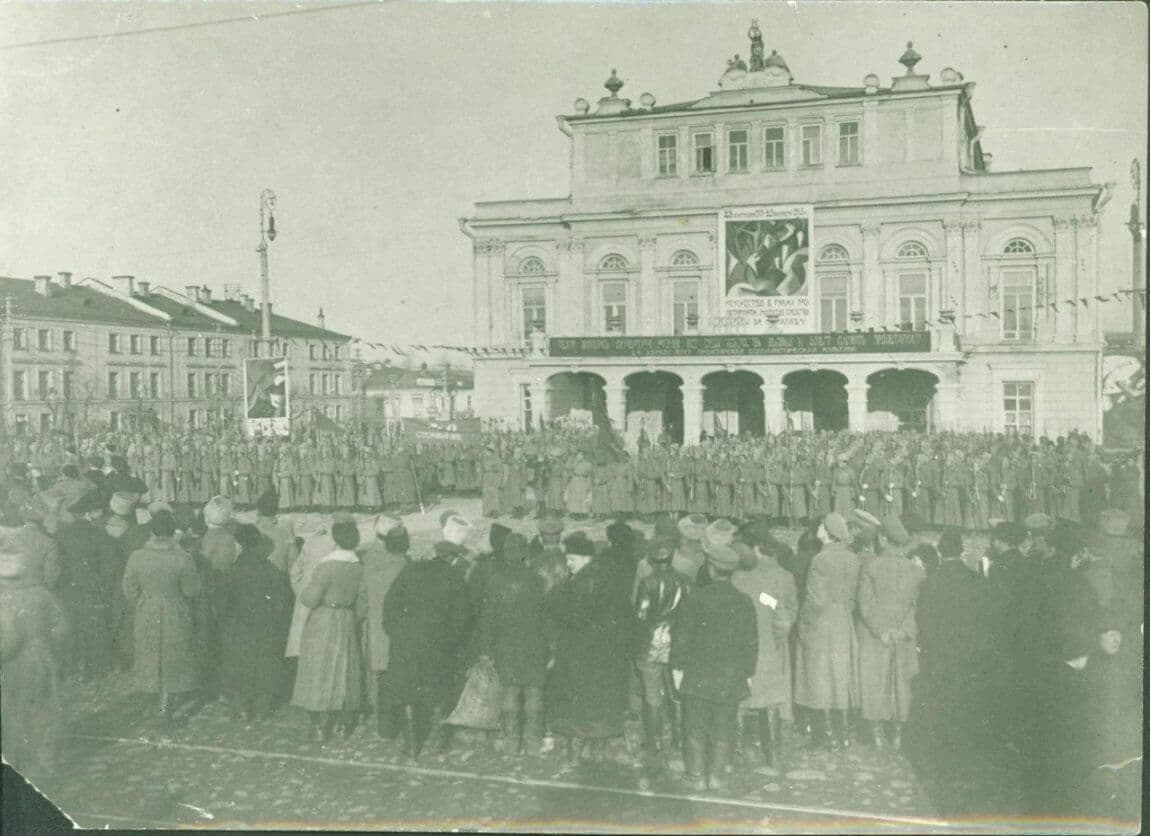
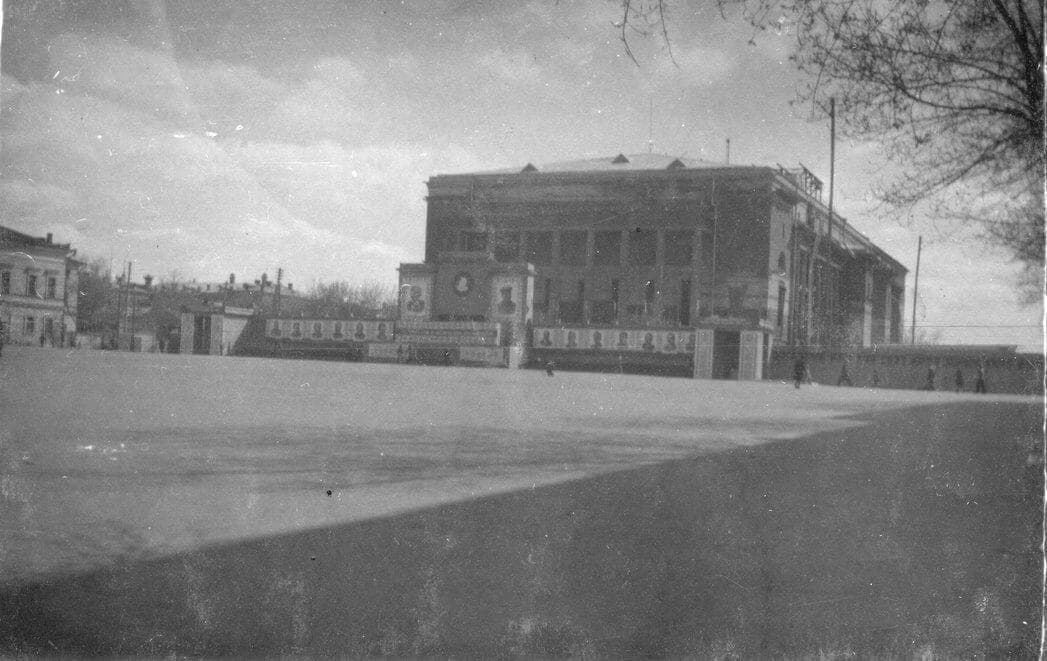
Even before the Great Patriotic War, Musa Jalil had become one of the most popular and best‑loved poets of the Tatar people. In the poem ‘Letter from the Volga’ (‘Idelden khat’, 1933), he created the image of an old collective farmer, and in the poem ‘Songs of a Fisher Girl’ (‘Balykchy kyz zhyr’y’, 1933), the image of a hard‑working and fearless young collective farmer woman.
Many of Jalil’s works are imbued with sympathy for the workers of foreign countries and with the ideas of friendship among peoples and internationalism. These themes are treated, for example, in the poems ‘The Scales’ (‘Ulchener’, 1927), ‘About Death’ (‘Ulem Turynda’, 1927), ‘Jim’ (1935) and others. His popular poem ‘The Letter Carrier’ (‘Khat Tashuchy’, 1938; published 1940) portrays the working life of Soviet youth, their joys and their sorrows.
One of Jalil’s most significant works from his period at the theatre was the opera Altyn Chach (‘The Golden-Haired’, 1941). It tells of the heroic deeds of the Bulgar people, who refused to submit to foreign enemies. The libretto was based on the heroic epic Jik Mergen – legends of the Tatar people. The première of the opera took place in early June 1941, just a few weeks before the outbreak of the war.
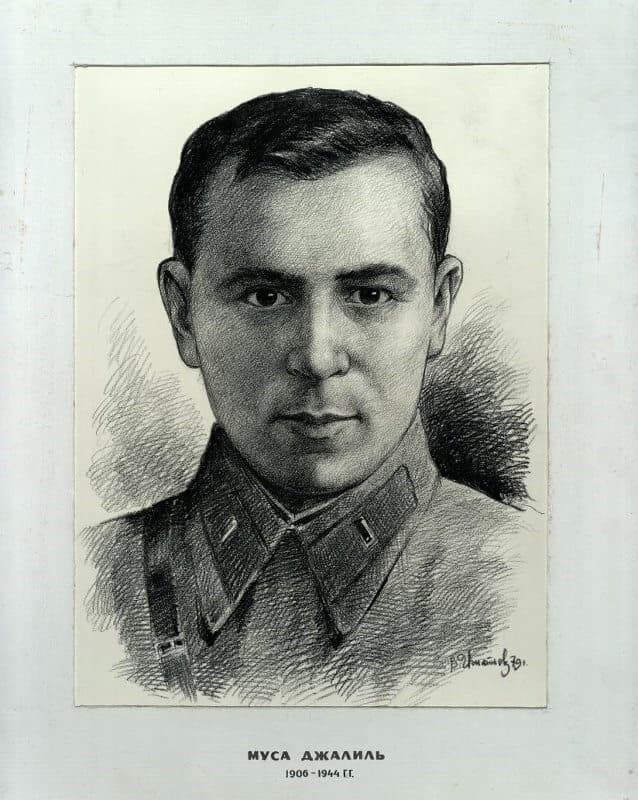
Senior political instructor Zalilov. Drawing by V.P. Ignatyev.
Although Jalil had an exemption, he volunteered for the front. He served as a correspondent for the army newspaper Otvaga ('Valour') in the 2nd Shock Army of the Volkhov Front. Senior political instructor Zalilov inspired Soviet soldiers to heroic deeds with his fiery word and personal example. His poems are full of optimism and faith in victory over fascism: ‘Before the Attack’ (‘Ataka Aldynnan’, 1942), ‘From the Hospital’ (‘Gospital’den’, 1941).
The book A Letter from the Trench (1944) is a fine example of wartime lyric poetry. While attempting to break the blockade of Leningrad, the 2nd Shock Army was encircled in 1942. Severely wounded, Jalil was taken prisoner and imprisoned in a concentration camp.
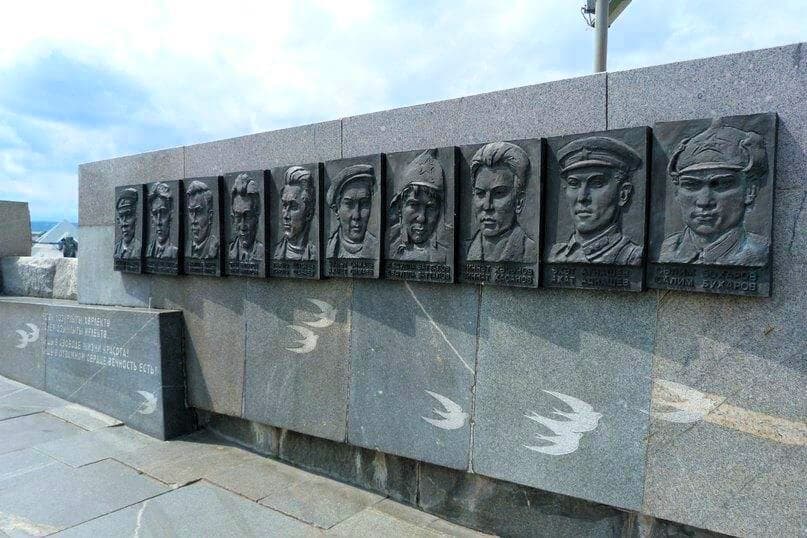
Monument to Lieutenant Kurmashev’s group in Kazan. Photo from open sources.
In their struggle against the international communist movement, the Nazis placed their bets on collaborationism. The Germans formed national armed formations from Soviet prisoners of war, defectors and traitors to the Motherland. One such formation was the Idel-Ural Legion. It was intended to take part in joint operations with the Wehrmacht against Soviet troops. Recruits were drawn from the peoples of the Volga region and the Urals. An underground cell was formed within the legion straight away, and Musa Jalil joined it.
The Tatar underground undermined the legion from within: it set up its own printing press, which produced propaganda leaflets. Anti-fascist propaganda was organised. The underground members told of the Wehrmacht’s defeats on the Eastern Front. The organisation was headed by Lieutenant Kurmashev. Political instructor Jalil conducted propaganda, travelling around prisoner-of-war camps.
It was precisely thanks to the activities of the underground that the Idel-Ural Legion was discredited. Soldiers of the battalions who reached the front crossed the front line in large numbers and returned to the Red Army. The German command was forced to keep parts of the legion away from the front because of their ‘unreliability’. They were entrusted only with guarding rear facilities.
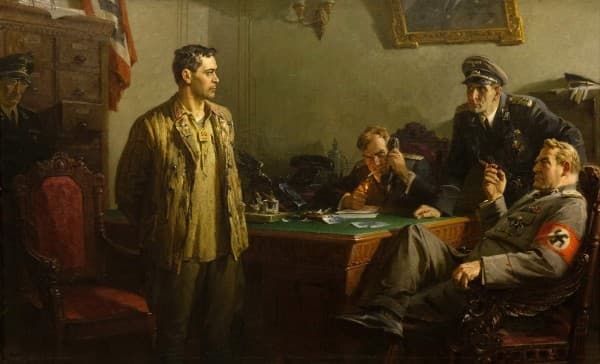
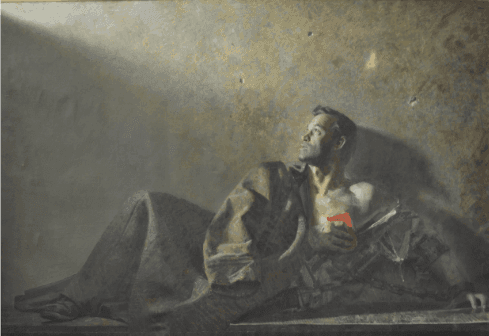
The Germans managed to uncover the activities of the agitators in 1943. They were arrested and imprisoned. Musa Jalil continued to write poetry even in captivity. A significant part of them was written in Moabit Prison in the centre of Berlin – a few blocks from the Reichstag. Two notebooks containing ninety-three poems have survived.
The first notebook, written in Arabic script, was smuggled out of prison by former prisoner of war G. Sharipov. In France, he handed over the notebook to N. Teregulov, a member of the French Resistance, who delivered the poems to the USSR in March 1946.
The second notebook, written in Latin script, was smuggled out of prison by the poet’s cellmate, A. Timmermans, a member of the Belgian Resistance. In spring 1947, the Soviet consulate forwarded it from Brussels to Kazan.
These works are witnesses to the poet’s struggle, suffering, and courage. The heroic and romantic motifs of the poet’s earlier work found embodiment in The Moabit Notebooks. The notebook is diverse in style and genre; it is a hymn to the fearlessness, heroism and endurance of the Soviet people.
After the investigation was completed, the Germans brutally killed the members of the underground. The execution was carried out by guillotine. The underground members were executed on 25 August 1944 in Plötzensee Prison in Berlin.
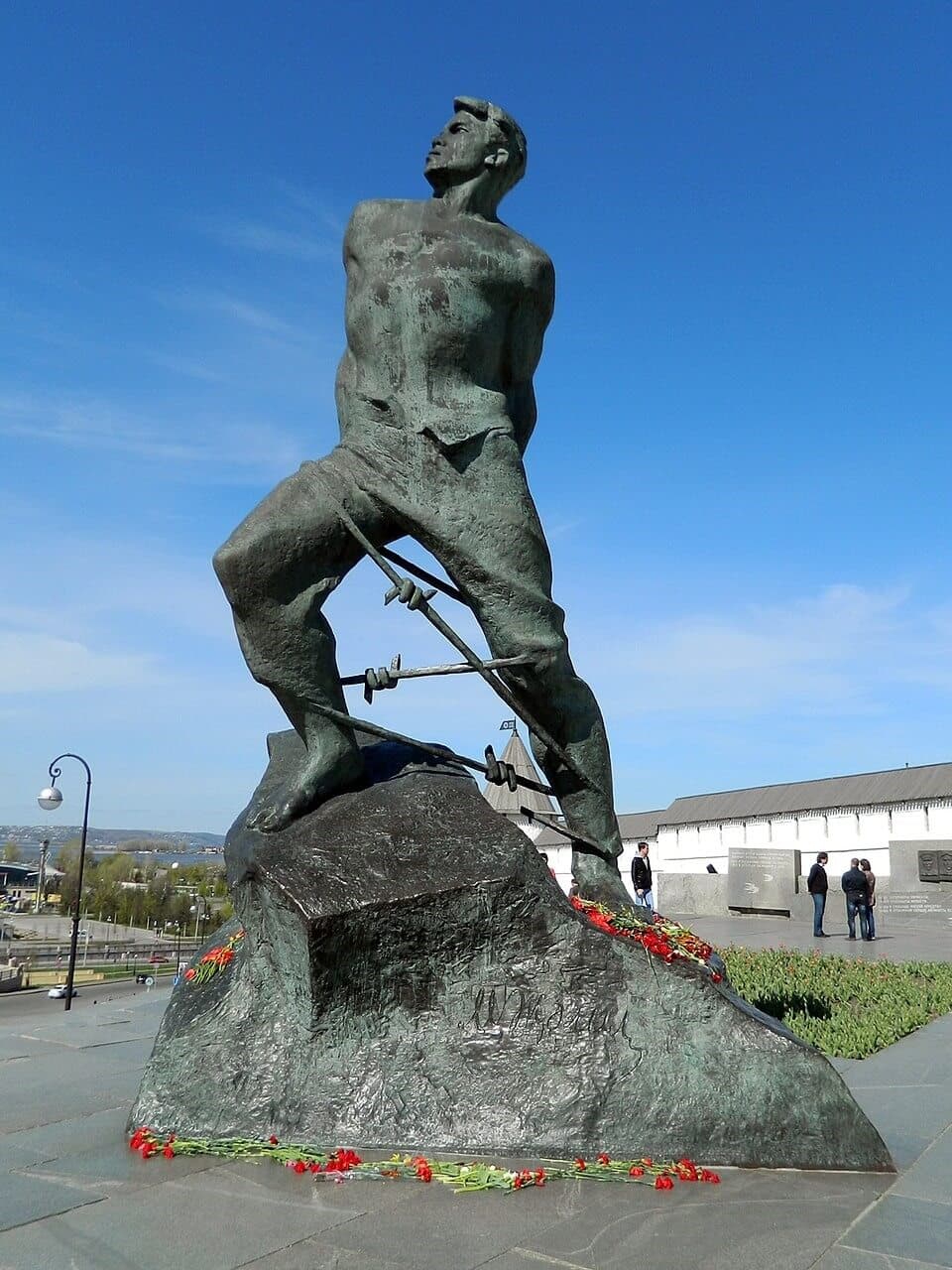
Monument to Musa Jalil in Kazan on 1st May Square. Photo from open sources.
In the Soviet Union, the heroic deed of the underground members was made public in the 1950s, largely thanks to the efforts of the poet Konstantin Simonov. In 1956, Musa Mustafovich Dzhalilov was posthumously awarded the title of Hero of the Soviet Union.
For the cycle of poems The Moabit Notebooks, in 1957 he was posthumously awarded the Lenin Prize – one of the highest awards in the USSR, conferred for outstanding achievements in science, technology, literature, art and architecture. Other members of the underground were posthumously put forward for awards only in the 1990s.
In 1957, the composer N. Zhiganov wrote the opera Jalil. In 1966, a monument to the hero was erected in the centre of Kazan (sculptor V.E. Tsigal, architect L.G. Golubovsky).
The composition represents a man bare to the waist, breaking free from barbed wire in an indomitable surge, with his head held high. The figure conveys power and energy; the proudly raised head and the unwavering, resolute gaze speak of courage, endurance, moral strength and heroism. Later, a bas-relief with portraits of 10 members of the underground was installed next to the monument.
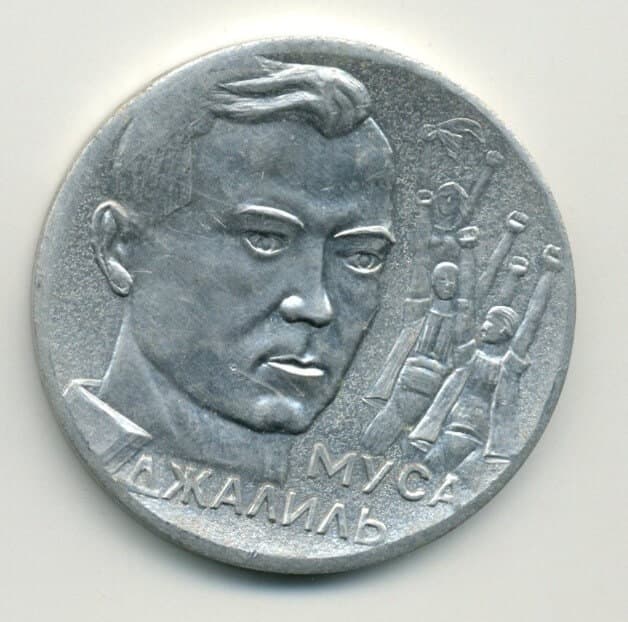
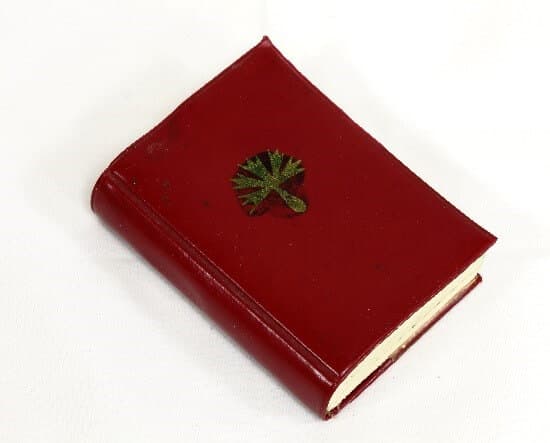
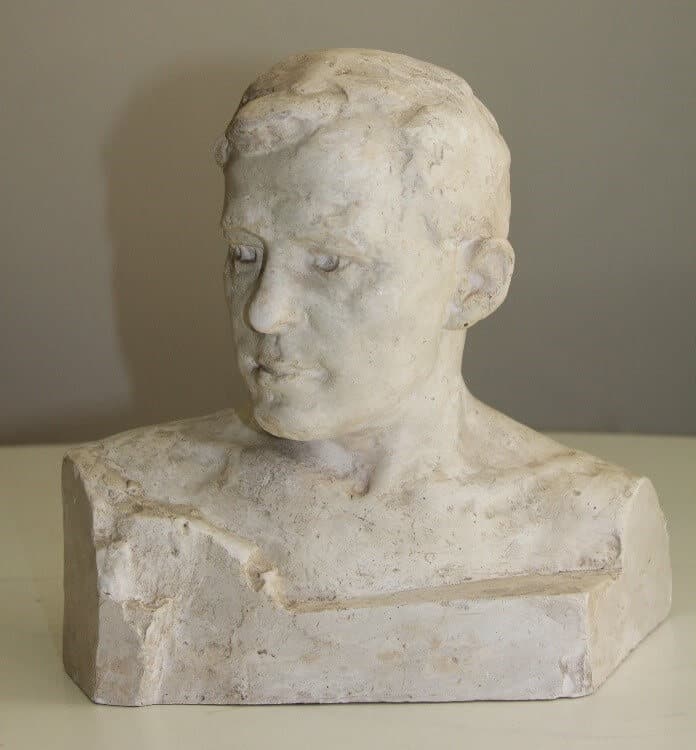
The memory of Jalil is perpetuated in many settlements of the Russian Federation. A street in Kazan is named after Jalil, as are schools, libraries, avenues and streets in many cities of the former USSR. In 1983, the Musa Jalil Museum-Apartment opened in Kazan. The Tatar Academic State Opera and Ballet Theatre today bears the name of Musa Jalil.
From The Moabit Notebooks:
My heart with life’s last breath will hold
Its firm and sacred vow;
My songs were for my land of old,
My life I give her now.
The song has taught me freedom’s way,
The song bids me to fight and die.
My life rang as a song each day,
My death will ring as struggle’s cry.
1943